Scandinavian design
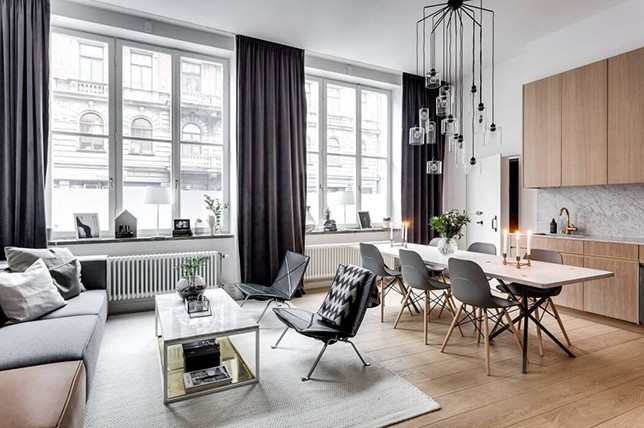
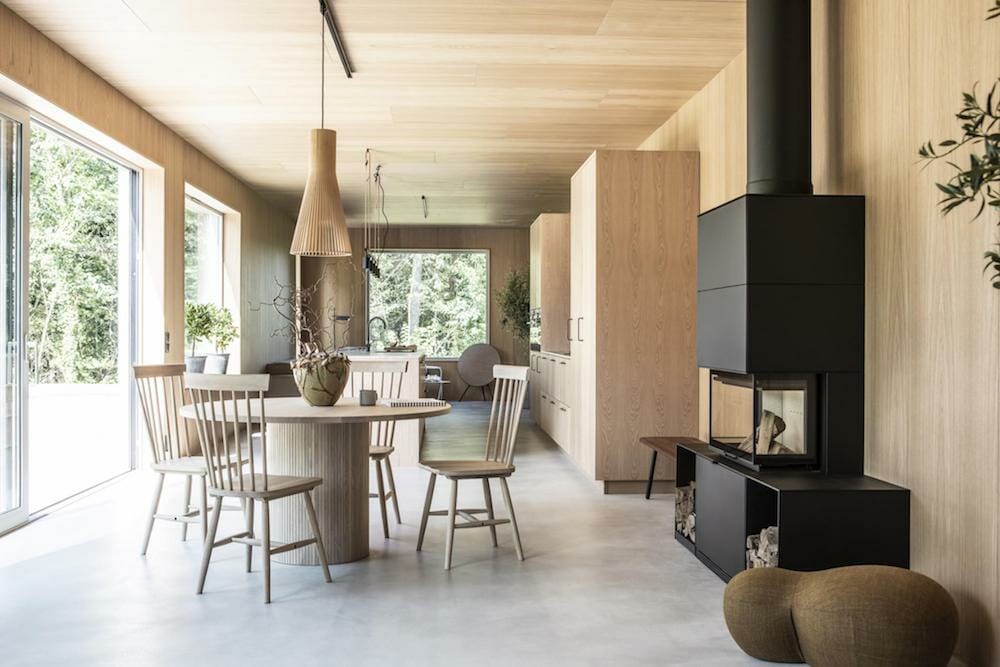
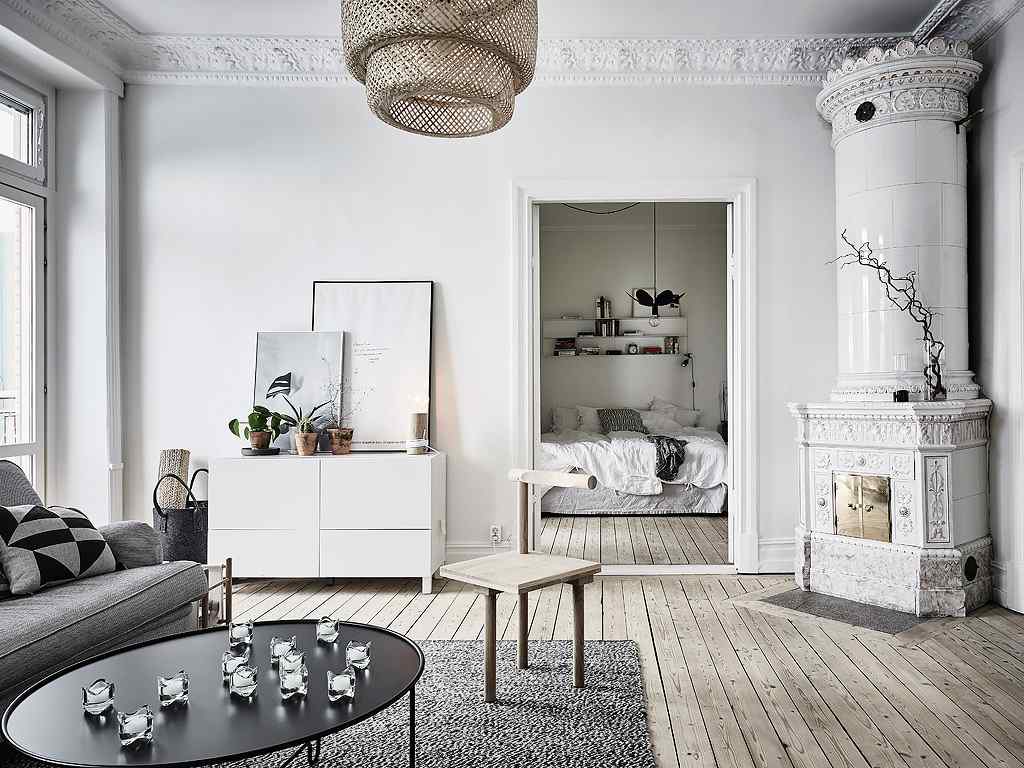
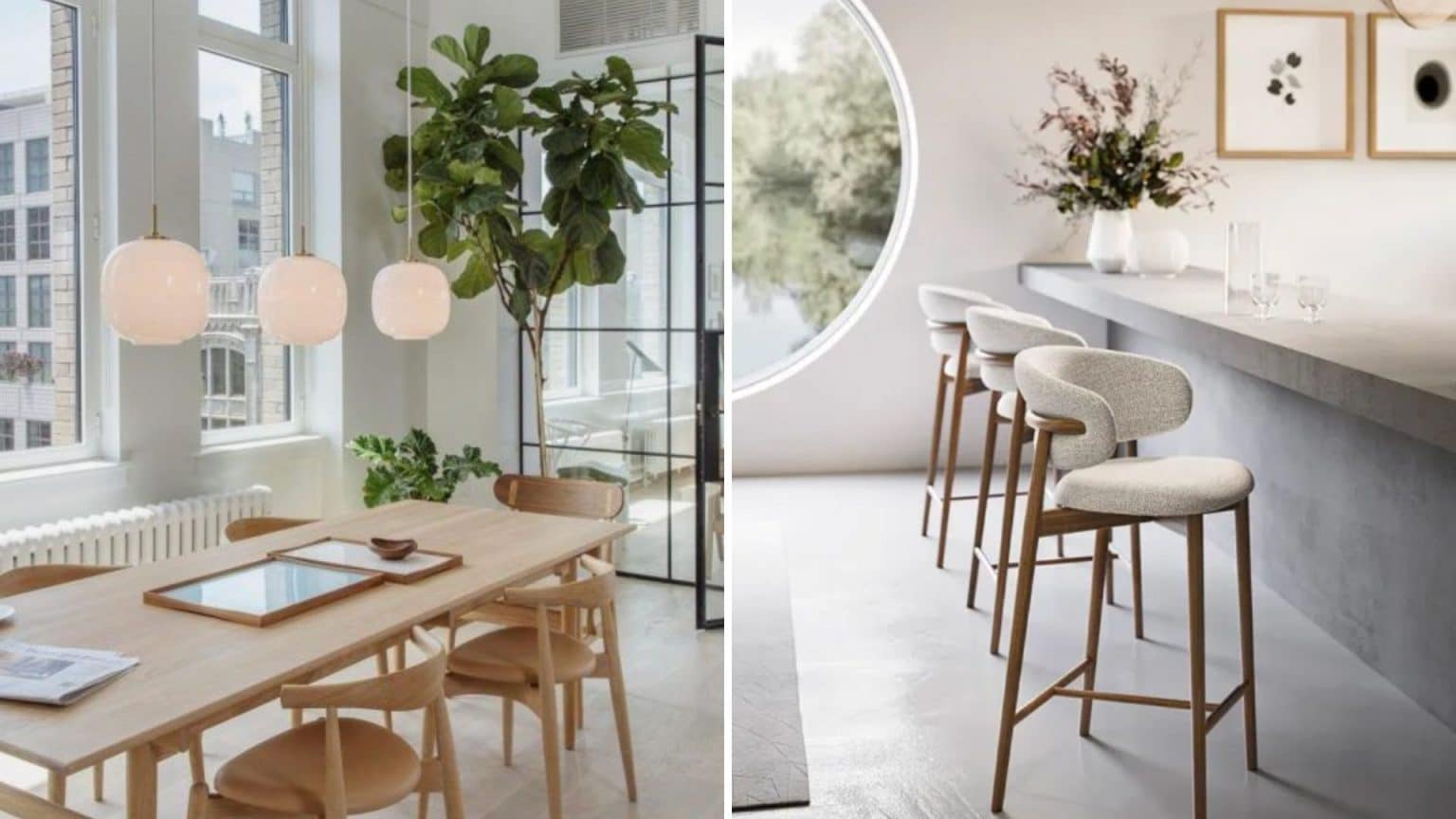
Scandinavian design is the name of a movement made up of designers, companies and products, characterized by simplicity, minimalism and functionality, which emerged at the beginning of the 20th century, developed in the 1950s in the five Nordic countries of Denmark, Finland, Iceland, Norway and Sweden.
The history of Scandinavian design Scandinavian design is a style known for its simplicity, functionality, and deep connection to nature. It began in the early 20th century and has grown into one of the most influential design movements globally.

From traditional wooden farmhouses to globally admired modernist icons, Scandinavian architecture offers timeless lessons for architects, designers, and homeowners alike. This comprehensive guide explores its history , country-by-country characteristics, materials, sustainability principles, iconic buildings, and modern trends, while answering the most common questions people ask about Nordic ...
A Brief History of Scandinavian Design When referring to Scandinavian design as it's known today, look to mid-century Scandinavian modernism as the framework.

Scandinavian design has changed the way we live. Simple and functional, it emerged between the 1930s and 1950s and continues to define an idea of accessible, lasting well-being.
Scandinavian design history is a rich tapestry of influences, innovations, and timeless aesthetics that continue to inspire designers worldwide. In this article, I will take a deep dive into the origins of the Scandinavian Design movement, the core principles that define it, and its global impact.