Everything You Need to Know About Potential Threats In Captive Snake Breeding
Breed reptiles in captivity
Captive populations can be maintained while threats in the wild are reduced or removed and can provide an insurance policy against catastrophe in the wild. Captive breeding also potentially provides a method of increasing reproductive output beyond what would be possible in the wild.
Potential Threats In Captive Snake Breeding
Such details provide a deeper understanding and appreciation for Potential Threats In Captive Snake Breeding.
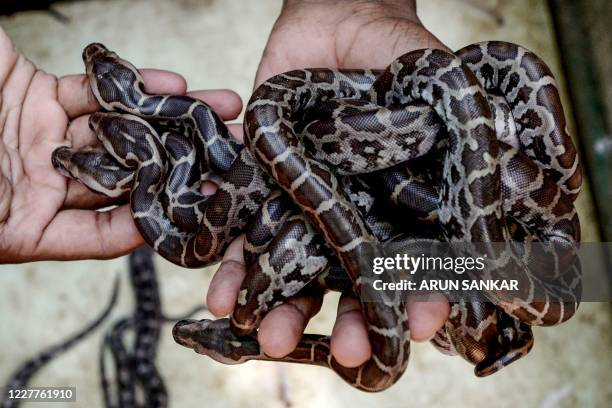
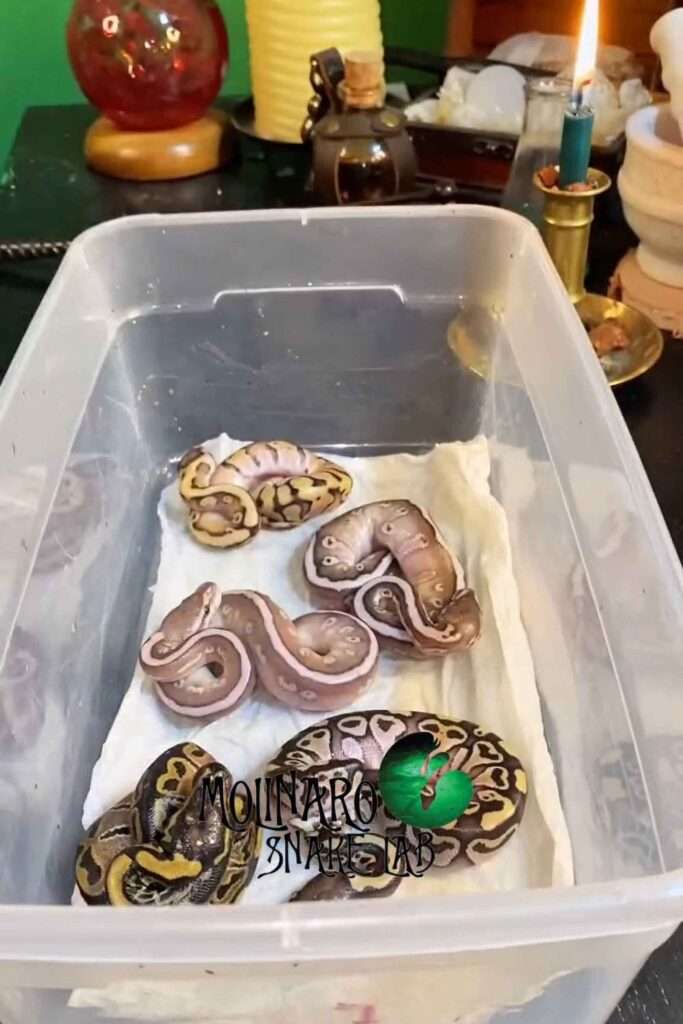
Breeding snakes in captivity is becoming commonplace for reptile enthusiasts. The demand for pet snakes has created a need to produce healthy, well-acclimated, captive -bred snakes . Most importantly, though, the successful captive propagation of snake species that are threatened in their native habitat may represent their best chance to avoid extinction. Some of the more common snakes being ...
Potential Threats In Captive Snake Breeding
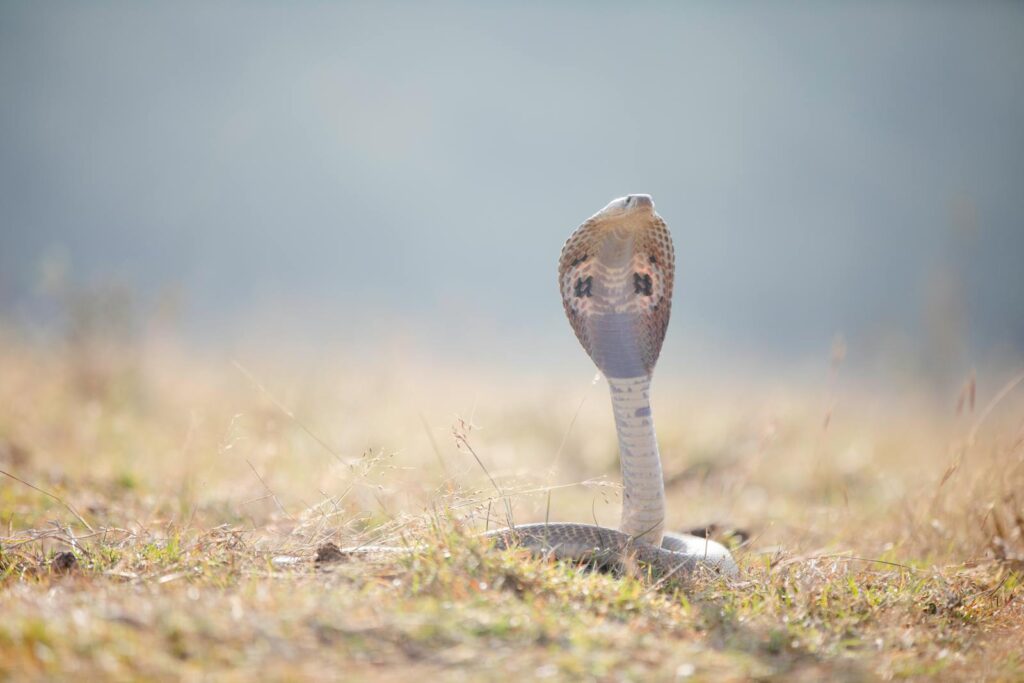
Venomous snake courtship displays represent some of nature's most fascinating and species-specific behaviors, which captive breeding programs must understand and accommodate.
Potential Threats In Captive Snake Breeding
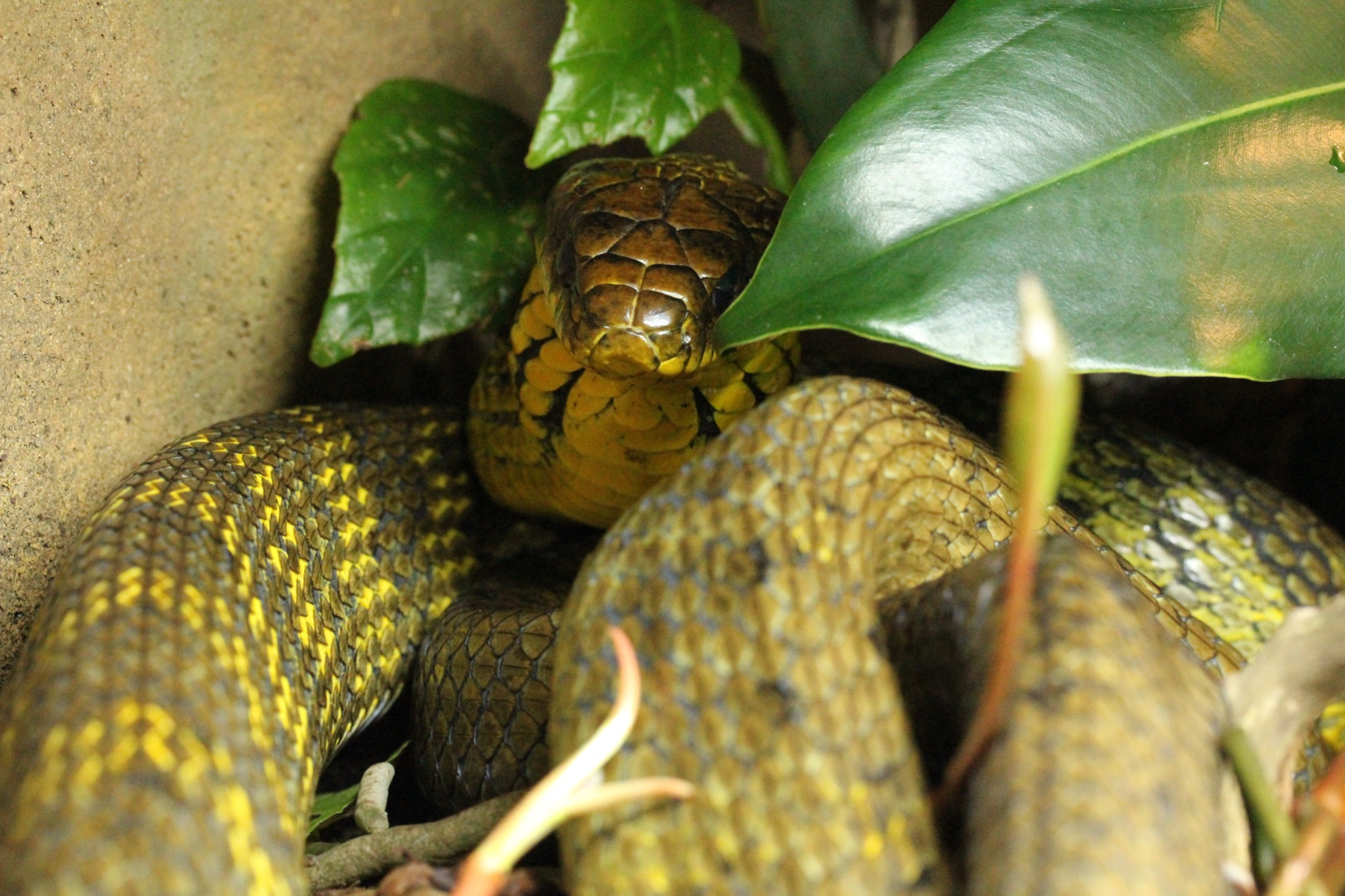
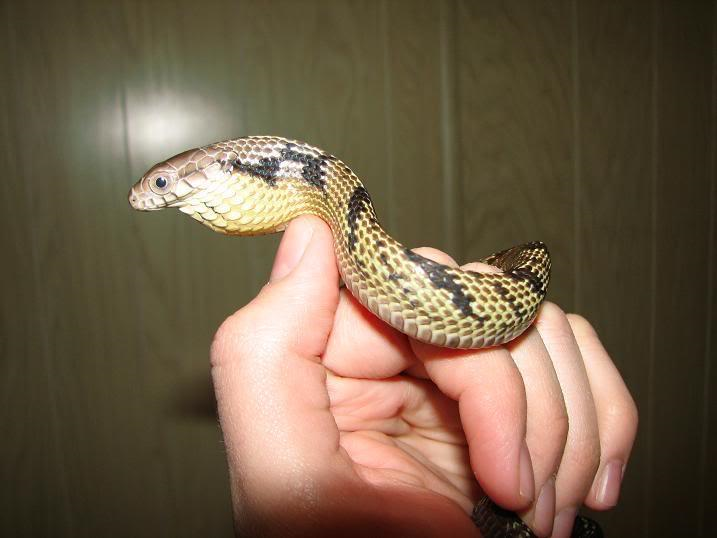
As we can see from the illustration, Potential Threats In Captive Snake Breeding has many fascinating aspects to explore.
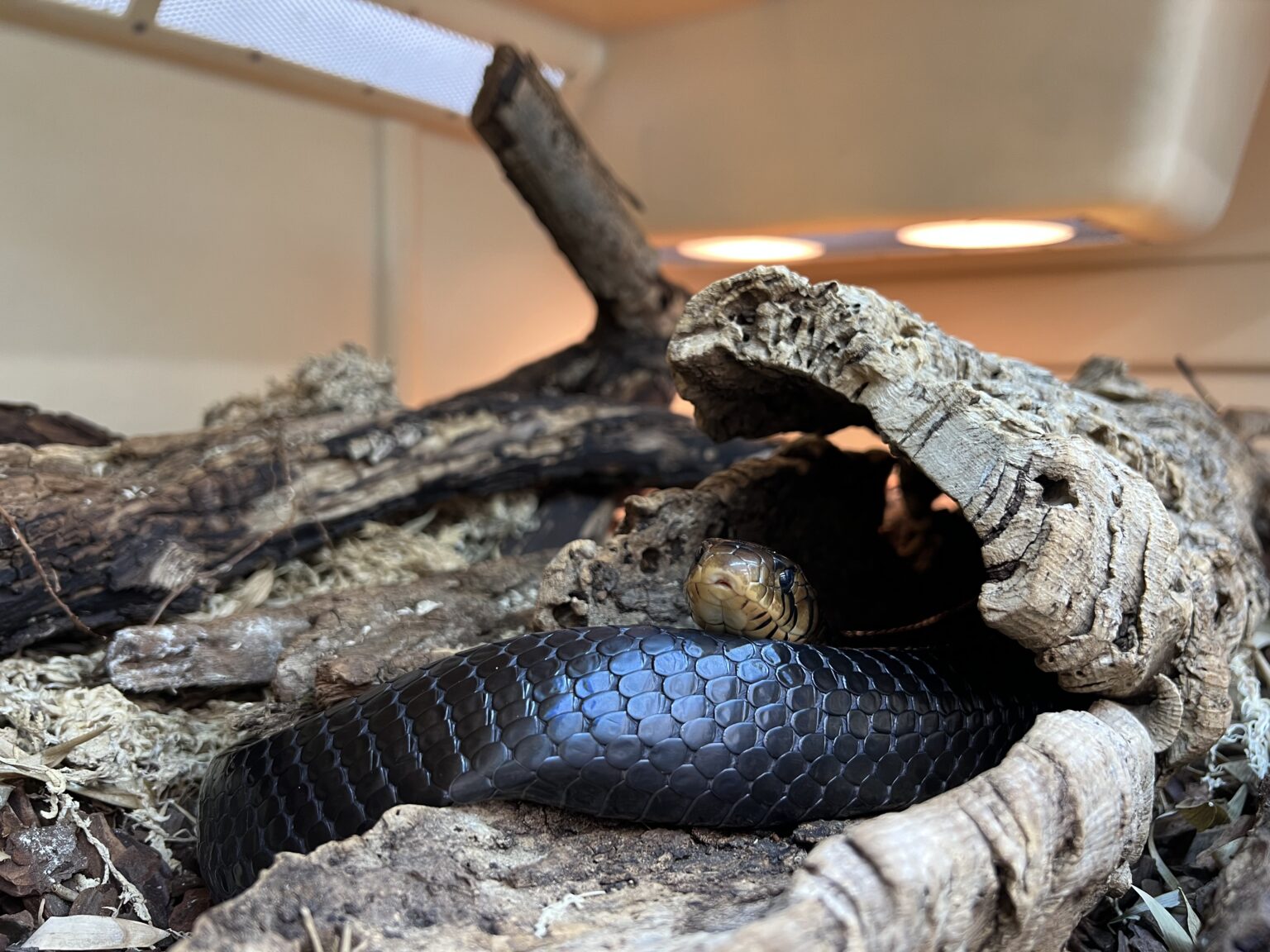
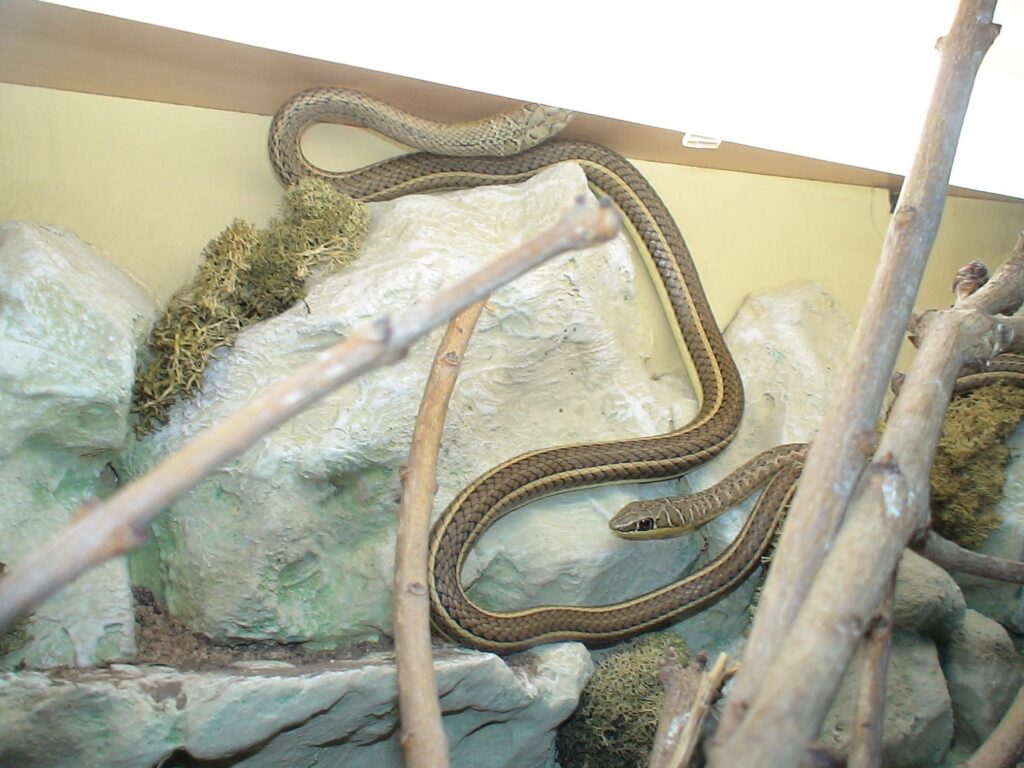
Captive environments for snakes commonly involve small enclosures with dimensions that prevent occupants from adopting straight line body postures. In …
ABSTRACT Captive breeding programs are an increasingly important tool for species' conservation eforts, but not all species reproduce well in captivity. Identifying factors that afect the reproductive success of captive populations is crucial to improving the performance and management of conservation- breeding programs, both by providing individuals for release and informing decision making ...
Captive breeding is a place such as zoos or wildlife parks for the process of breeding , especially to preserve the endangered species that are threatened in the wild (Wakchaure and Ganguly 2016).