PDF 10.13.17 Non
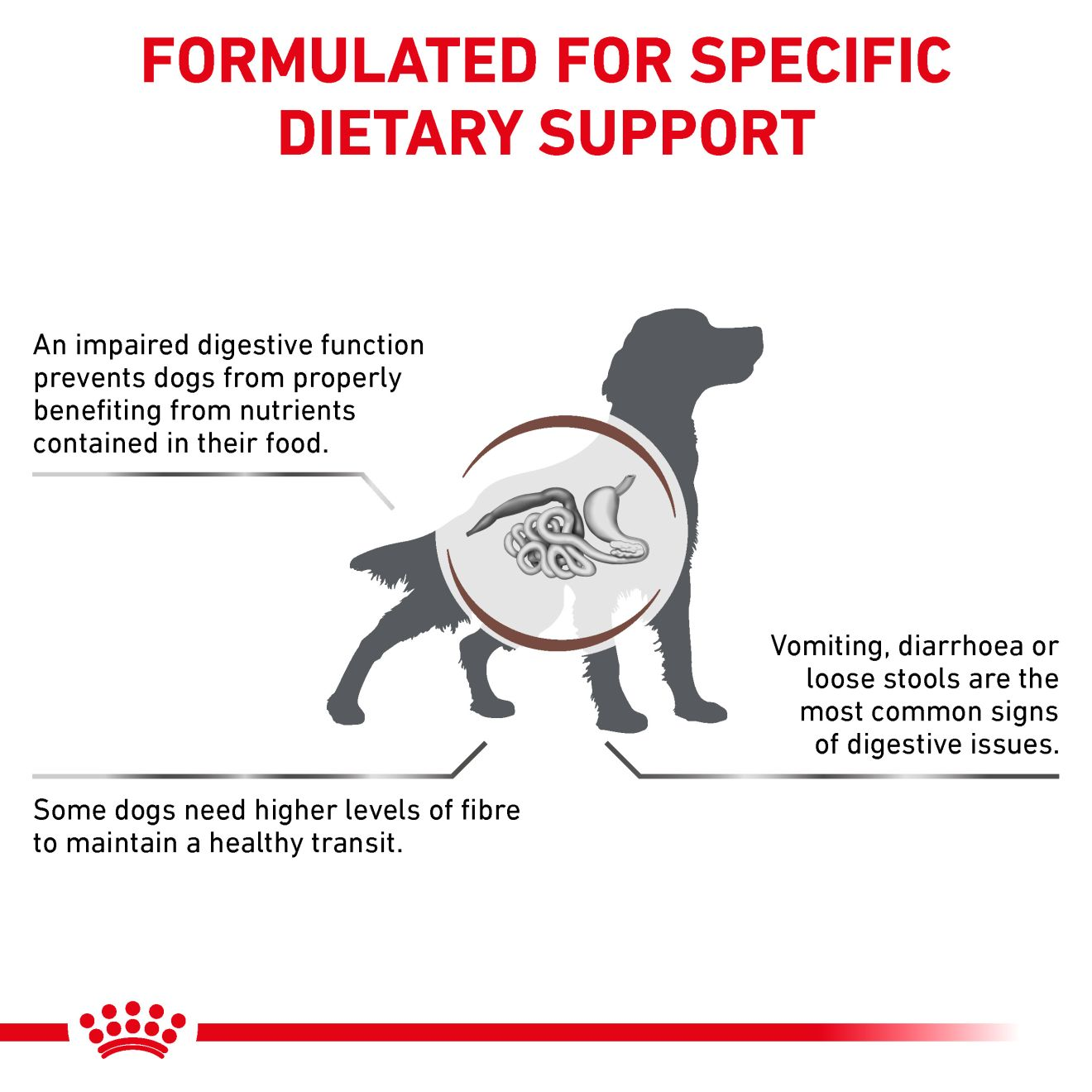
The most commonly reported clinical signs of NSAID toxicity in dogs are associated with gastrointestinal complications that range from vomiting, hematemesis, diarrhea, melena, hematochezia, inappetence, lethargy, depression, weakness, and possible abdominal pain. As the dose increases more severe sequelae can occur

Such details provide a deeper understanding and appreciation for Canine Gastrointestinal Stabilizer Toxicity.
The gastrointestinal (GI) mucosal barrier is continuously exposed to noxious toxins, reactive oxygen species, microbes, and drugs, leading to the development of inflammatory, erosive, and ultimately ulcerative lesions. This report offers a consensus opinion on the rational administration of GI protectants to dogs and cats, with an emphasis on proton pump inhibitors (PPIs), histamine type-2 ...
Such details provide a deeper understanding and appreciation for Canine Gastrointestinal Stabilizer Toxicity.
ACVIM consensus statement
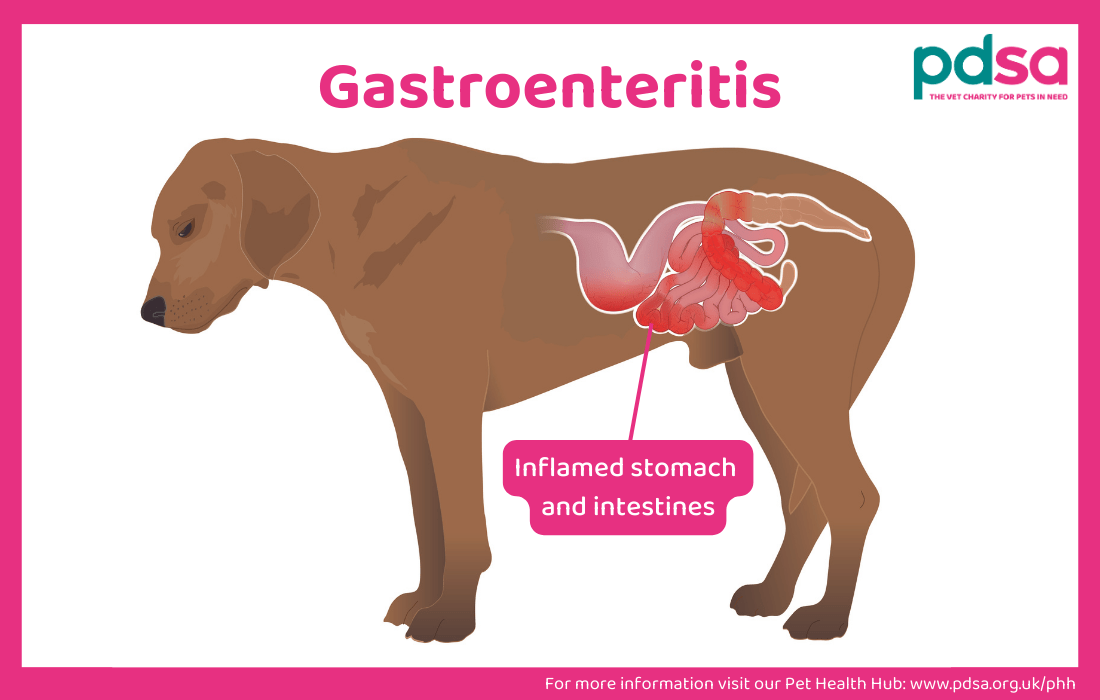
Such details provide a deeper understanding and appreciation for Canine Gastrointestinal Stabilizer Toxicity.
Abstract The gastrointestinal (GI) mucosal barrier is continuously exposed to noxious toxins, reactive oxygen species, microbes, and drugs, leading to the development of inflammatory, erosive, and ultimately ulcerative lesions. This report offers a consensus opinion on the rational administration of GI protectants to dogs and cats, with an emphasis on proton pump inhibitors (PPIs), histamine ...
Friday, January 18, 2019 at 9:55 AM Pacific Standard Time Marks SL, Kook PH, Papich MG, Tolbert MK, Willard MD. ACVIM consensus statement: Support for rational administration of gastrointestinal protectants to dogs and cats. J Vet Intern Med. 2018 Nov;32 (6):1823-1840. Gastroprotectants are some of the most commonly used (and overused) medications in feline medicine. Several classes of gastro ...